




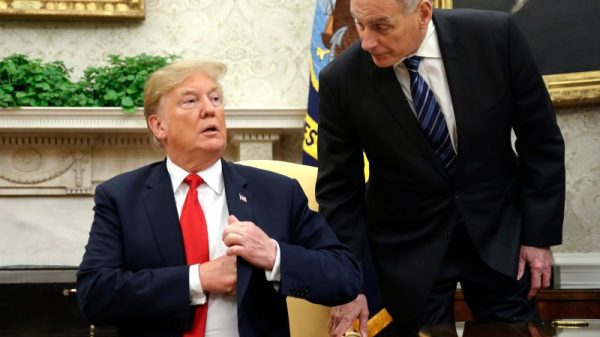



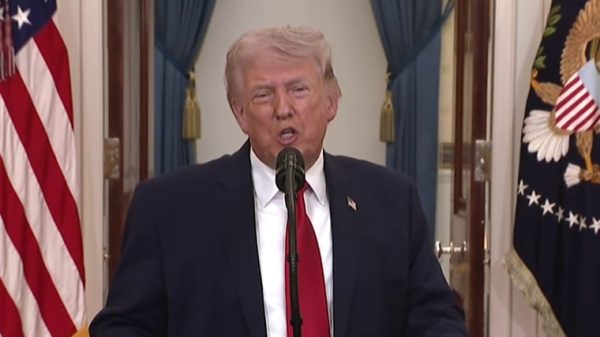




Since Israel began its concerted attack on Iran, calls for regime change have grown louder, with US President Donald Trump and Israeli Prime Minister Benjamin Netanyahu raising the possibility of targeting Tehran’s all-powerful leader, Ayatollah Ali Khamenei.
Many Iranians have firsthand experience with the United States enforcing a regime change in their country.
Here’s what happened:
Oil fields: In 1953, the US helped stage a coup to overthrow Iran’s democratically elected prime minister Mohammad Mossadegh.
He had pledged to nationalize the country’s oil fields – a move the US and Great Britain saw as a serious blow, given their dependence on oil from the Middle East.
Height of the Cold War: The move to nationalize was seen as popular in Iran and a victory for the then-USSR.
Strengthen Shah rule: The coup’s goal was to support Iran’s monarch, Mohammad Reza Pahlavi, to rule as Shah of Iran, and appoint a new prime minister, Gen. Fazlollah Zahedi.
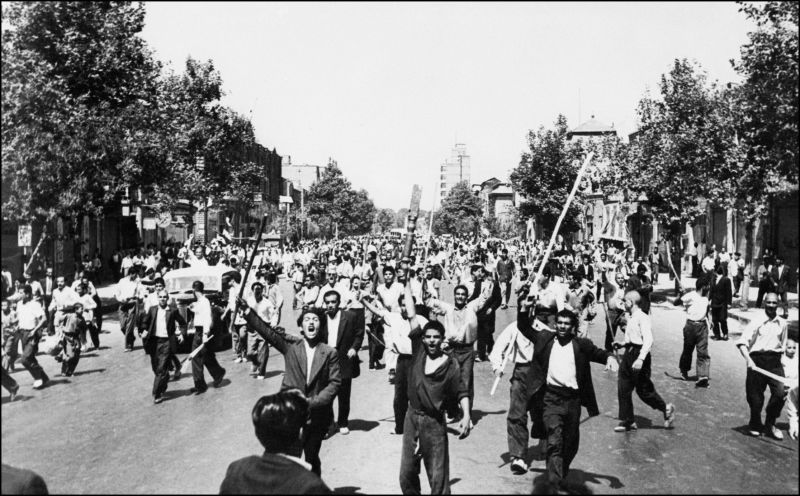
The coup: Before the coup, the CIA, along with the British Secret Intelligence Service (SIS), helped foment anti-Mossadegh fervor using propaganda. In 1953, the CIA and SIS helped pull pro-Shah forces together and organized large protests against Mossadegh, which were soon joined by the army.
US cash: To provide Zahedi, the country’s new prime minister, with some stability, the CIA covertly made $5,000,000 available within two days of him taking power, documents showed.
US acknowledgement: In 2013, declassified CIA documents were released, confirming the agency’s involvement for the first time. But the US role was known: Former President Barack Obama acknowledged involvement in the coup in 2009.
It backfired: After toppling Mossadegh, the US strengthened its support for Pahlavi to rule as Shah. Iranians resented the foreign interference, fueling anti-American sentiment in the country for decades.
Islamic Revolution: The Shah became a close ally of the US. But in the late 1970s, millions of Iranians took to the streets against his regime, which they viewed as corrupt and illegitimate. Secular protesters opposed his authoritarianism, while Islamist protesters opposed his modernization agenda.
The Shah was toppled in the 1979 Islamic revolution, which ended the country’s Western-backed monarchy and ushered in the start of the Islamic Republic and clerical rule.