









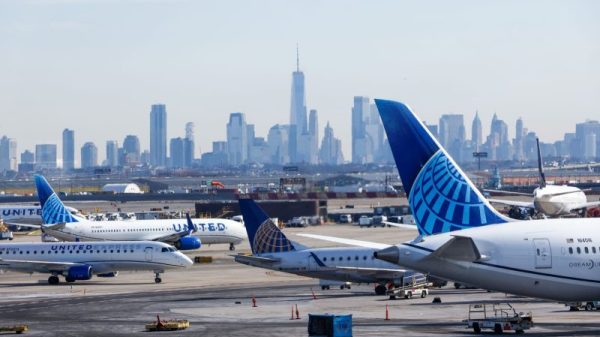






PARIS — Airbus fleets were returning toward normal operations on Monday after the European plane maker pushed through abrupt software changes faster than expected, as it wrestled with safety headlines long focused on rival Boeing.
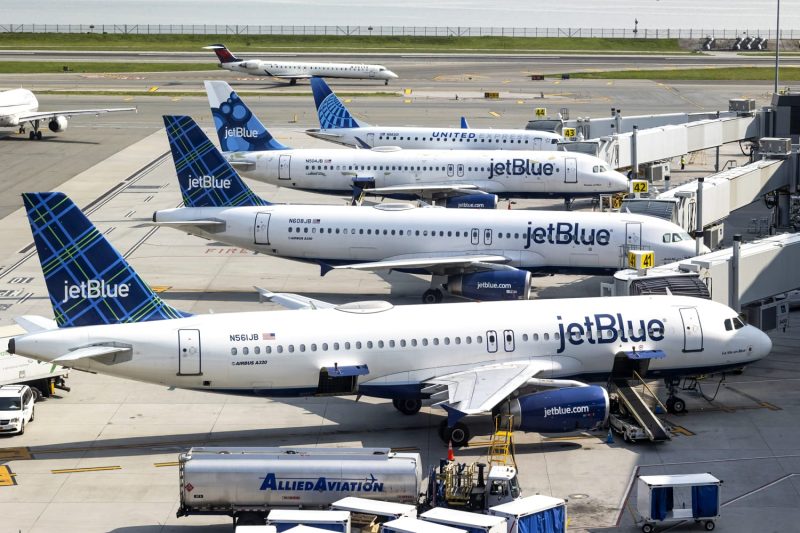
Dozens of airlines from Asia to the United States said they had carried out a snap software retrofit ordered by Airbus, and mandated by global regulators, after a vulnerability to solar flares emerged in a recent mid-air incident on a JetBlue A320.
Airbus said on Monday that the vast majority of around 6,000 of its A320-family fleet affected by the safety alert had been modified, with fewer than 100 jets still requiring work.
But some require a longer process and Colombia’s Avianca continued to halt bookings for dates until December 8.
Sources familiar with the matter said the unprecedented decision to recall about half the A320-family fleet was taken shortly after the possible but unproven link to a drop in altitude on the JetBlue jet emerged late last week.
Shares in Airbus were down 2.1% in early trading in Paris.
Following talks with regulators, Airbus issued its 8-page alert to hundreds of operators on Friday, effectively ordering a temporary grounding by ordering the repair before next flight.
“The thing hit us about 9 p.m. [Jeddah time] and I was back in here about 9:30. I was actually quite surprised how quickly we got through it: there are always complexities,” said Steven Greenway, CEO of Saudi budget carrier Flyadeal.
The instruction was seen as the broadest emergency recall in the company’s history and raised immediate concerns of travel disruption particularly during the busy U.S. Thanksgiving weekend.
The sweeping warning exposed the fact that Airbus does not have full real-time awareness of which software version is used given reporting lags, industry sources said.
At first airlines struggled to gauge the impact since the blanket alert lacked affected jets’ serial numbers. A Finnair passenger said a flight was delayed on the tarmac for checks.
Over 24 hours, engineers zeroed in on individual jets.
Several airlines revised down estimates of the number of jets impacted and time needed for the work, which Airbus initially pegged at three hours per plane.
“It has come down a lot,” an industry source said on Sunday, referring to the overall number of aircraft affected.
The fix involved reverting to an earlier version of software that handles the nose angle. It involves uploading the previous version via a cable from a device called a data loader, which is carried into the cockpit to prevent cyberattacks.
At least one major airline faced delays because it lacked enough data loaders to handle dozens of jets in such a short time, according to an executive speaking privately.
UK’s easyJet and Wizz Air said on Monday they had completed the updates over the weekend without cancelling any flights.
JetBlue said late Sunday it expected to have completed work to return to service 137 of 150 impacted aircraft by Monday and plans to cancel approximately 20 flights for Monday due to the issue.
Questions remain over a subset of generally older A320-family jets that will need a new computer rather than a mere software reset. The number of those involved has been reduced below initial estimates of 1,000, industry sources said.
Industry executives said the weekend furor highlighted changes in the industry’s playbook since the Boeing 737 MAX crisis, in which the U.S. plane maker was heavily criticized over its handling of fatal crashes blamed on a software design error.
It is the first time Airbus has had to deal with global safety attention on such a scale since that crisis. CEO Guillaume Faury publicly apologized in a deliberate shift of tone for an industry beset by lawsuits and conservative public relations. Boeing has also declared itself more open.
“Is Airbus acting with the Boeing MAX crisis in mind? Absolutely — every company in the aviation sector is,” said Ronn Torossian, chairman of New York-based 5W Public Relations.
“Boeing paid the reputational price for hesitation and opacity. Airbus clearly wants to show … a willingness to say, ‘We could have done better.’ That resonates with regulators, customers, and the flying public.”